

Because life sometimes goes unexpectedly pear-shaped.
You may think a crisis will never affect your destination or business, and we hope you are right.
However, crises are inherently unpredictable. When things go pear-shaped, they can do so anywhere, at any time, and often with little warning.
Pear‑Shaped Advisory Services is a specialist advisory practice dedicated to helping tourism destinations and businesses prepare for, respond to, and recover from crisis events.
We provide practical, evidence‑based crisis planning, training, and resilience support tailored specifically to the tourism sector.
Our work focuses on helping tourism organisations reduce vulnerability, improve preparedness, and maintain continuity in an increasingly uncertain operating environment.
Our Services
Crisis planning tailored to the tourism industry.
We work with tourism organisations and industry stakeholders to build strong crisis management capability. This includes supporting the development and review of tourism crisis management plans that clearly define roles, responsibilities, and decision‑making processes.
We help identify potential risks to the tourism sector and assess the likely impacts of crisis events on visitors, businesses, and communities. By understanding vulnerabilities in advance, destinations are better placed to minimise disruption and protect economic activity during a crisis.
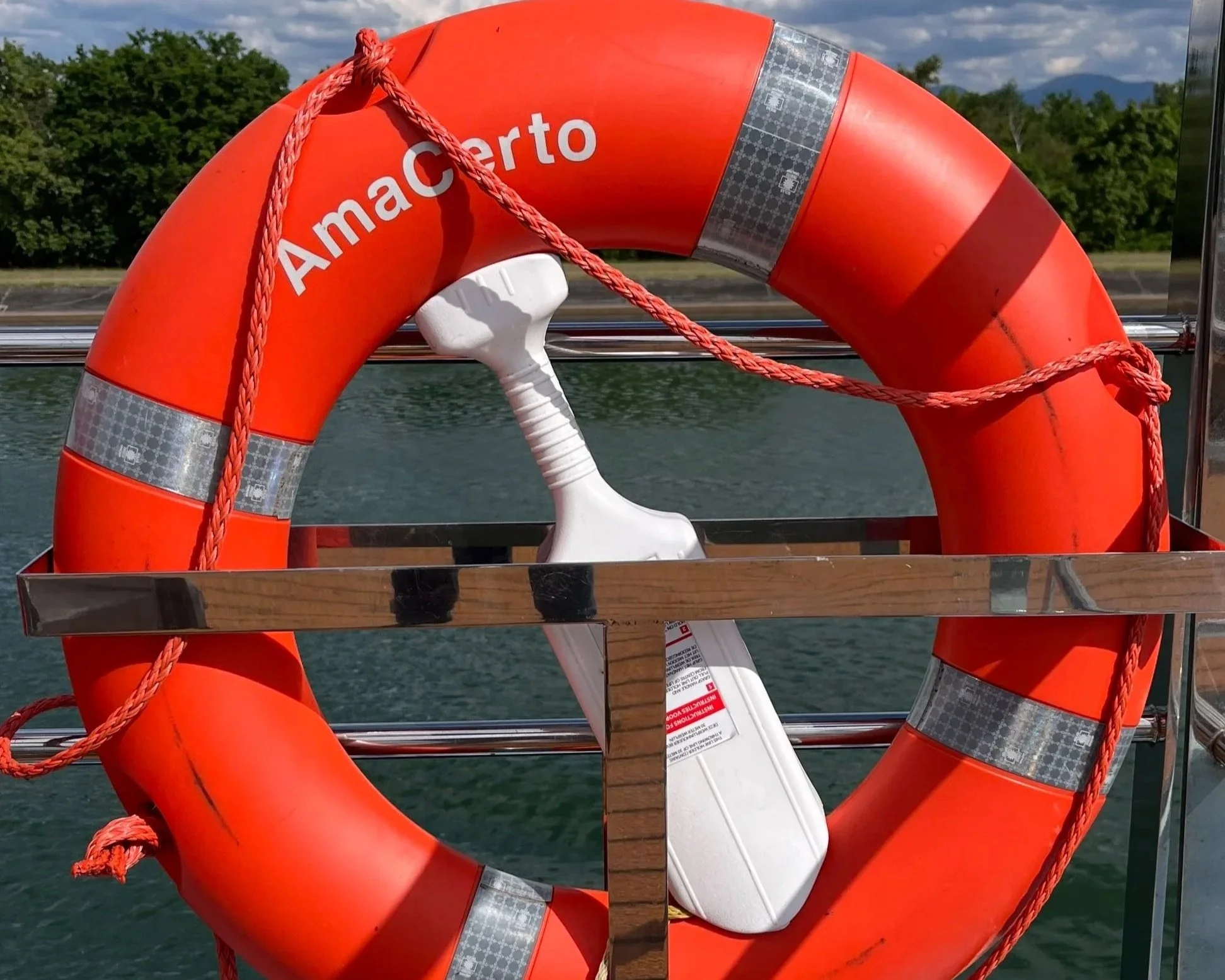
Rapid deployment advisory capabilities during incidents.
We offer immediate, on-demand crisis management support during tourism-related incidents, including mobilising expert support, risk and impact analysis, intelligence, communications, and operational guidance.

Customised training aligned to destination‑specific risks.
We design and deliver customised training programs tailored to the unique risk profile, operating environment and challenges of specific destinations, including interactive crisis simulation workshops
We also provide specialised media and communication response training, delivered in partnership with experienced media training providers, to strengthen confidence and effectiveness when managing high-pressure communications during incidents or crises.
Tourism CrisesA crisis is a real or perceived event that disrupts normal operations and negatively affects a tourism business or destination.
Crises can be caused by natural events, human actions, or reputational issues. While some emergencies — such as bushfires — can develop into a tourism crisis, many are managed without major impacts on visitors.
Likewise, not all tourism crises start as emergencies; negative media coverage or commentary from a high-profile influencer can also affect a destination’s reputation. A tourism crisis is more likely to emerge when an incident changes how visitors perceive a destination and influences their travel decisions.
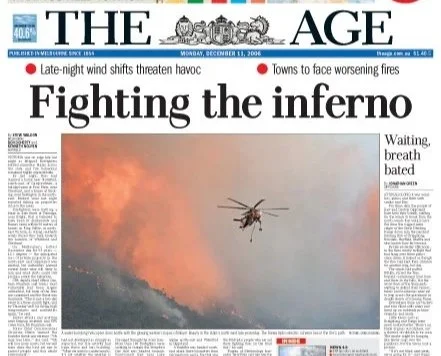
Media coverage
Sustained or negative media attention can shape perceptions, sometimes amplifying or prolonging the perceived impact.
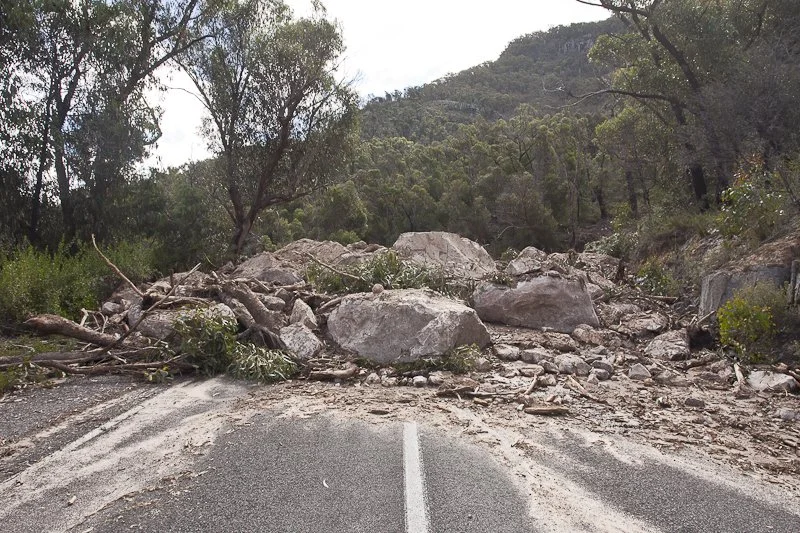
Damage to infrastructure
Disruptions to transport, accommodation, or attractions can lead to cancellations and reduced visitation.

Economic impact
Business closures or reduced services can affect the overall visitor experience and delay recovery.
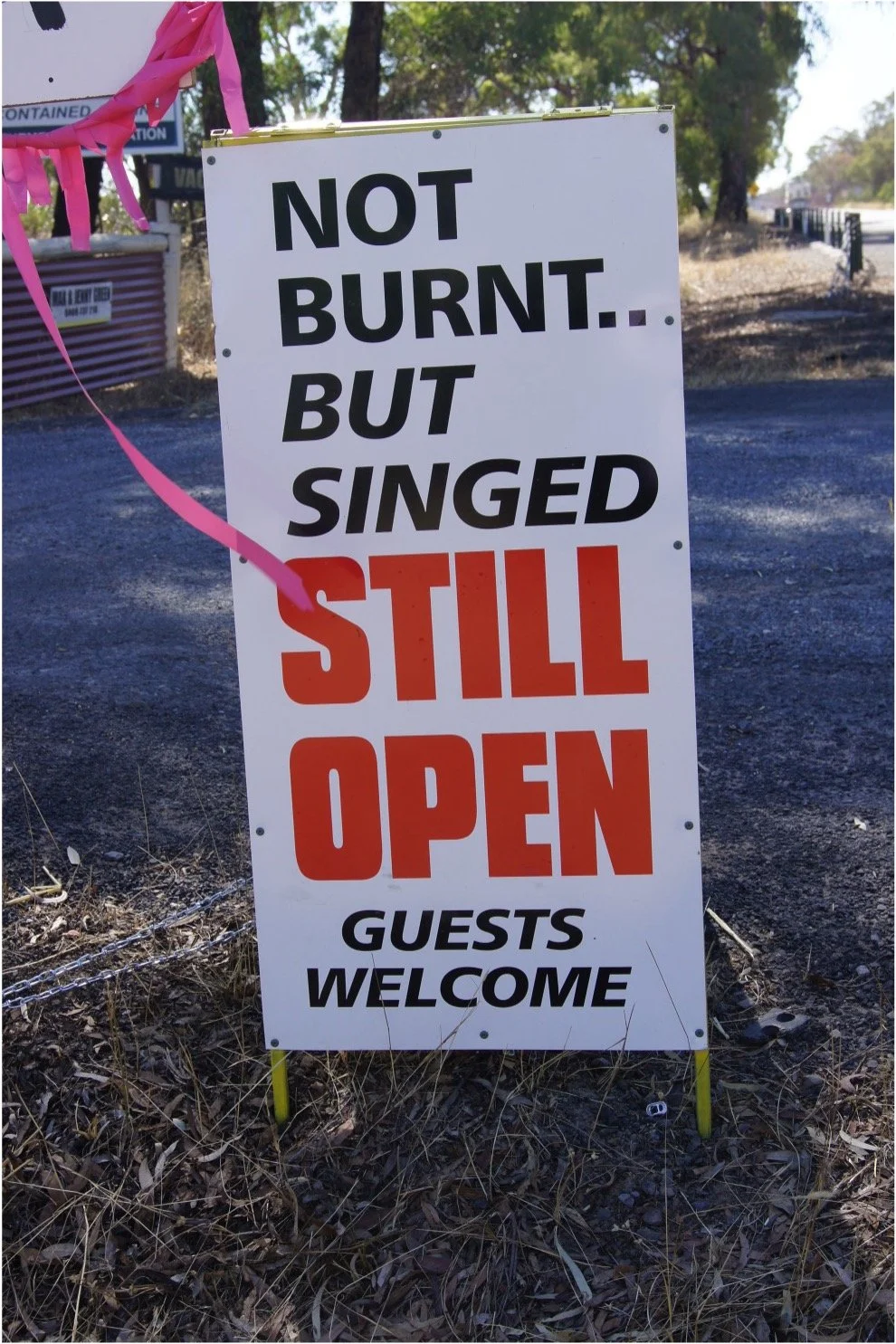
Communication & response
Clear, timely communication can help manage perceptions, while poor messaging can increase uncertainty and escalate impacts.
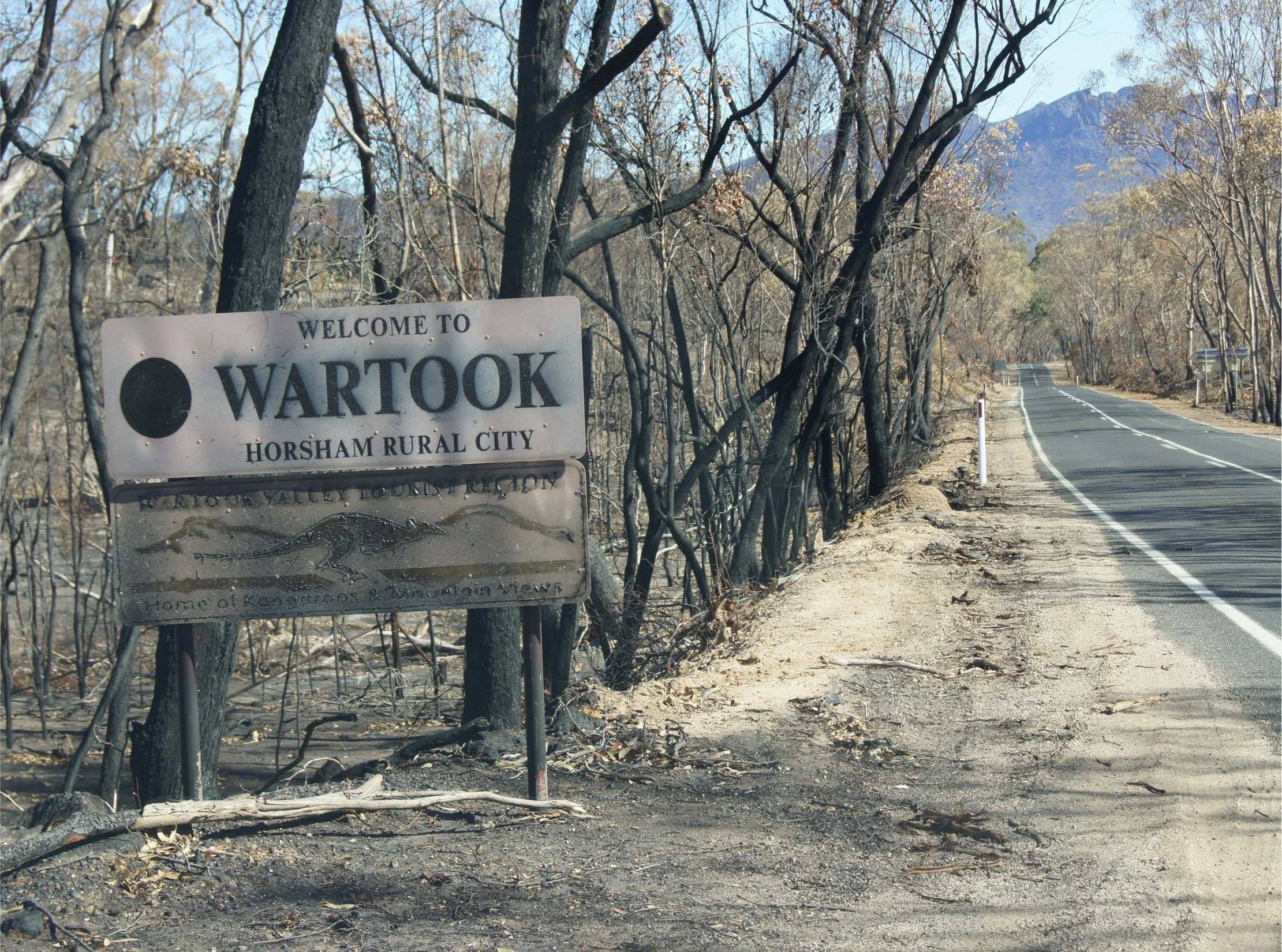
Scale and severity
Large or prolonged events (e.g. major bushfires or floods) can disrupt services and reduce a destination’s accessibility and appeal.
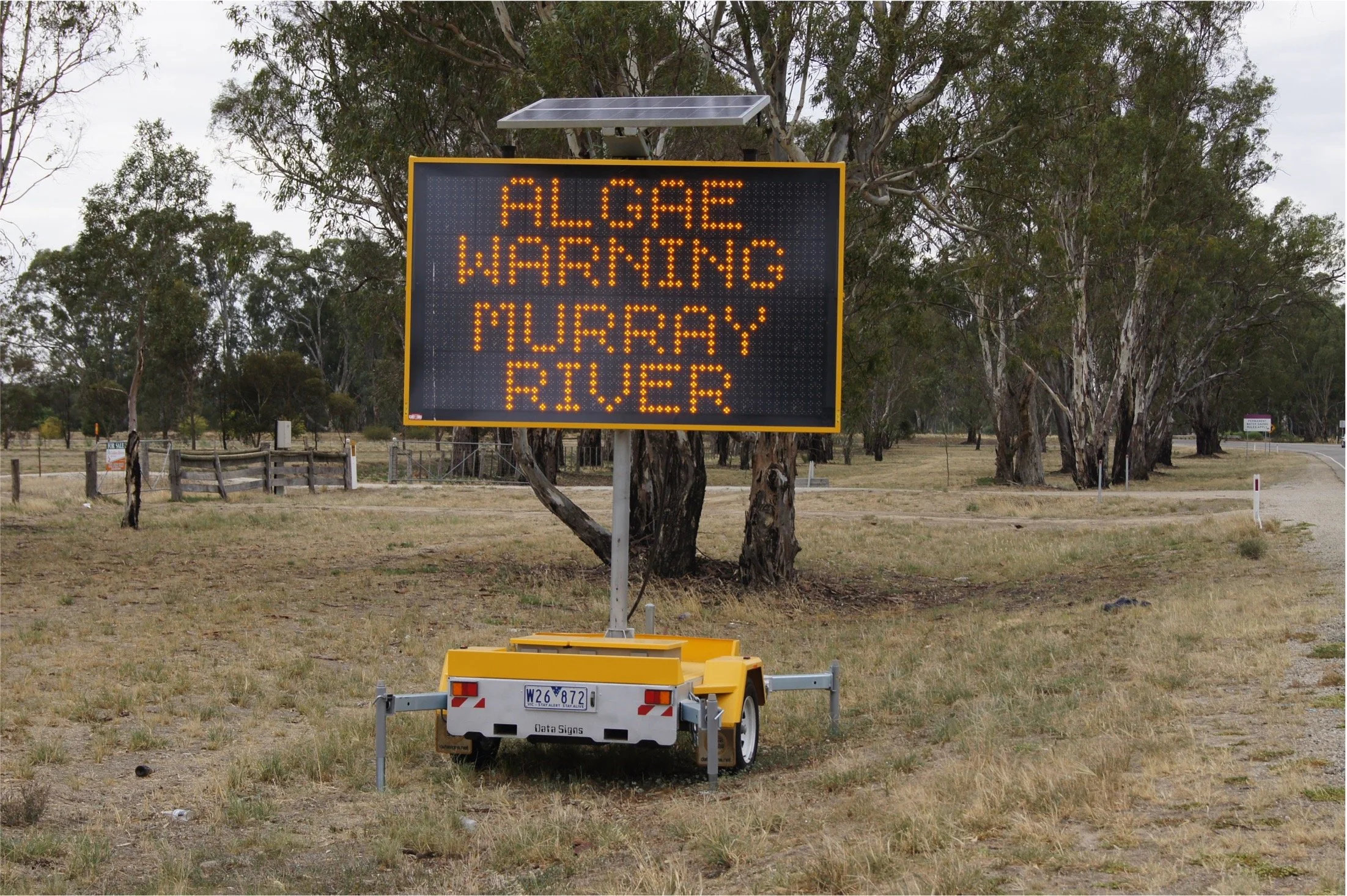
Perceived safety risk
Even after recovery, if a destination is seen as unsafe, demand may decline.
Because crises can be stressful, costly, and time‑consuming, especially when unanticipated, planning ahead is essential.
Preparing for potential challenges helps reduce uncertainty and strengthens the ability to respond effectively when it matters most.